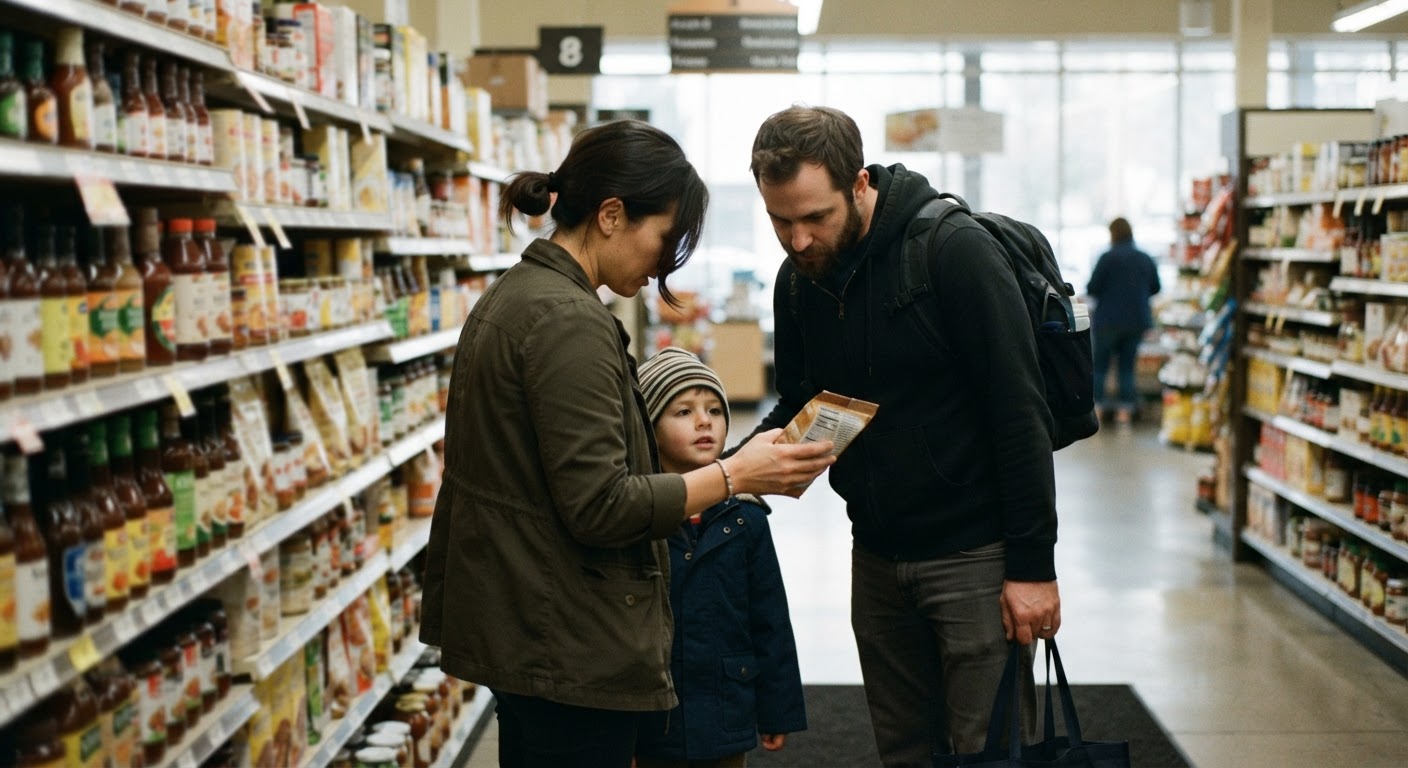
Why allergen-free and specialty diet items often cost double the regular version
If you’ve ever stood in the grocery aisle comparing a bag of regular flour to a bag of almond or oat flour, you already know the sticker shock. It’s not your imagination, and it’s not you being bad at finding deals. Specialty diet products almost always cost more, sometimes two or three times as much as their conventional counterparts, and there are real reasons behind it.
First, these products are made in smaller batches. A company producing gluten-free bread or dairy-free cheese isn’t running the same massive production lines as a mainstream bakery or dairy processor. Smaller runs mean higher per-unit costs, and that gets passed straight to you.
Second, many allergen-free facilities pay a premium to keep their production lines dedicated or thoroughly sanitized between runs to avoid cross-contamination. That’s a genuine safety measure, not a marketing gimmick, but it adds cost to every package that rolls off the line.
Third, and this is the one that stings the most, specialty diets have become a lifestyle trend for people who don’t have a medical need for them. When “gluten-free” or “dairy-free” becomes a premium branding choice rather than a necessity, companies price the product for the customer willing to pay extra for a lifestyle label, not for the family who has no choice but to buy it.
Understanding why the markup exists doesn’t make it disappear, but it does help you decide where to spend your money and where to walk right past the specialty label. In many cases, you don’t need the labeled substitute at all. That’s where the real savings start.
Building a base pantry of affordable naturally allergy-safe staples instead of relying on labeled substitutes
The single biggest shift that saves families money is moving away from buying “free-from” versions of everyday foods and instead building meals around foods that are naturally safe to begin with. A box labeled “gluten-free crackers” is priced for your specific need. Plain rice, beans, and potatoes are priced for everyone, and they happen to be gluten-free, dairy-free, and often free of most major allergens without anyone slapping a special label on them.
Start by making a list of your household’s actual restrictions, then find the naturally safe staples that already fit. A few examples that work for a lot of families:
Rice, in all its forms, is naturally gluten-free and dairy-free and costs a fraction of gluten-free pasta or bread. Corn tortillas are naturally gluten-free and often cheaper than bread alternatives. Plain potatoes, sweet potatoes, and most fresh vegetables carry no allergen markup because nobody thinks to label a potato as “free from top nine allergens,” even though it is. Dried beans and lentils are naturally free of gluten, dairy, egg, and soy, and they’re some of the cheapest protein sources in the store. Plain rice noodles are often cheaper than boxed gluten-free pasta brands, even though they serve the same purpose.
The trick is to build your weekly meal rotation around these staples first, then use labeled specialty products only to fill in the gaps where nothing naturally safe will do the job, like a birthday cake mix or sandwich bread. That single swap in mindset, from “find the substitute” to “find the naturally safe option,” is where most families find their biggest ongoing savings. It’s not a one-time fix, it’s a habit that pays off every single week.
It also helps to keep a running list on your fridge or in your phone of the naturally safe staples your family already likes. When you’re tired at the end of a long day and tempted to grab the convenient labeled product, having that list handy makes it easier to remember there’s a cheaper option sitting right on the regular shelf.
Where to find cheaper sources for specialty flours, milks, and snacks
Some items genuinely don’t have a naturally safe substitute, and you’re going to need the labeled version. Specialty flours for baking, plant-based milks for kids who need them, and safe snack foods for school lunches fall into this category. When you do need to buy the labeled product, where you buy it matters as much as what you buy.
Bulk bins are often the cheapest place to find specialty flours like rice flour, oat flour, or chickpea flour, since you’re paying for the ingredient itself rather than packaging and branding. If your grocery store has a bulk section, check there before reaching for the boxed version on the baking aisle.
Ethnic grocery stores are an underused resource for many specialty diet families. Asian markets often carry rice flour, rice noodles, and coconut milk at a fraction of the price charged by mainstream brands for the same ingredients marketed as “gluten-free” or “dairy-free.” Latin American markets frequently have affordable corn-based products and dried beans. These stores aren’t marketing to your dietary restriction, they’re just selling the ingredient at a normal price, which usually works in your favor.
Store brands have caught up significantly in the specialty diet space. Many major grocery chains now have their own gluten-free or dairy-free lines that run noticeably cheaper than the name brands sitting next to them on the shelf. Compare the ingredient list, not just the price, but don’t assume the name brand is automatically safer or better.
Buying shelf-stable specialty milks and flours in larger quantities, when your household actually goes through them regularly, usually brings the per-unit cost down. This only saves money if you’ll use the product before it expires, so it’s worth being honest with yourself about how much your family actually consumes before committing to a bulk purchase.
Online subscription options for specialty groceries can be worth comparing against in-store prices for the exact same product, especially for items that are hard to find locally. Price the same brand and size both ways before assuming either option is cheaper, because it varies more than you’d expect from one product to the next.
Finally, keep an eye out for store loyalty programs and digital coupons that apply to specialty diet brands. These products get discounted less often than mainstream groceries, but when a sale does come around, it’s worth stocking up on shelf-stable items if your budget allows for it that week.
Batch-cooking safe meals to avoid impulse buys on expensive convenience products
One of the quiet budget drains for families managing food allergies is the convenience purchase made out of exhaustion. It’s the end of a long day, everyone’s hungry, and the easiest safe option in the freezer aisle costs three times what a homemade version would. Nobody’s judging that choice when it happens once. The problem is when it becomes the default because there’s nothing else ready to go.
Batch cooking is the most reliable way to break that cycle. Pick one or two days a month, or even one afternoon a week if that fits your schedule better, and cook a big batch of a few safe meals that freeze well. Soups, chilis, and casseroles built around your family’s naturally safe staples tend to freeze and reheat the best. Portion them into individual or family-sized containers before freezing, so you can grab exactly what you need on a rushed night instead of thawing an entire pot.
Having a stocked freezer of safe, homemade meals does two things for your budget. It removes the temptation to grab an expensive convenience product when you’re too tired to cook, and it means you’re buying ingredients in their cheaper, unprocessed form rather than paying for someone else’s labor and packaging.
Baked goods are another good target for batch preparation. If your household needs gluten-free or allergen-free bread, muffins, or snack bars, making a double or triple batch and freezing the extra almost always costs less per serving than buying the labeled version at the store, even after you account for your own time. Muffins and pancakes freeze particularly well and reheat quickly, which makes them a solid stand-in for pricier packaged breakfast items.
It also helps to keep a small list of “safe convenience” swaps for the moments when cooking from scratch just isn’t going to happen. Things like pre-washed naturally safe vegetables, canned beans, or a stash of homemade freezer meals give you a fallback that doesn’t require an expensive specialty product every time life gets hectic.
Working with school or daycare on allergy accommodations so you’re not duplicating costs at home
If your child attends school or daycare, there’s a good chance the facility is already required to make some accommodations for food allergies, and many families don’t realize how much they’re duplicating that effort, and the expense, at home unnecessarily.
Start by asking your school or daycare directly what they provide versus what they expect you to send. Some schools offer allergy-safe alternatives at lunch for little or no extra cost, while others expect families to send everything from home. Knowing exactly where that line falls prevents you from buying redundant safe snacks or meals that the school was already going to provide.
Ask about ingredient labels and safe brands the school already keeps on hand for shared snacks or classroom celebrations. If the school already stocks a safe cracker or snack for your child during group activities, you may not need to send your own supply every single day, only for situations the school specifically flags as needing your own backup.
Communicate clearly and in writing about your child’s specific restrictions rather than assuming staff will remember every detail from a verbal conversation. A simple, updated list posted in the classroom or kitchen area reduces the chances of a well-meaning staff member buying a duplicate safe item that you were already planning to send, or worse, an unsafe one that gets tossed and replaced last minute.
If multiple families at the school manage similar restrictions, ask whether the school would consider a shared bulk purchase for safe snacks used during group events. Splitting the cost of a case of allergy-safe crackers or a bulk order of safe cupcake mix across several families is almost always cheaper than each parent buying their own small package for every classroom party.
Finally, revisit the accommodation plan every school year, or whenever your child’s needs change. Staff turns over, policies get updated, and what the school offered last year may not be automatic this year unless someone asks. A five-minute conversation at the start of the year can save you from months of unnecessary spending on things the school was equipped to handle all along.
None of these strategies require a dramatic overhaul of how your family eats. Small, steady shifts, leaning on naturally safe staples, shopping smarter for the items you do need, batch-cooking to avoid the expensive last-minute grab, and syncing up with your child’s school, add up over months into real, lasting savings without ever putting anyone’s safety at risk.