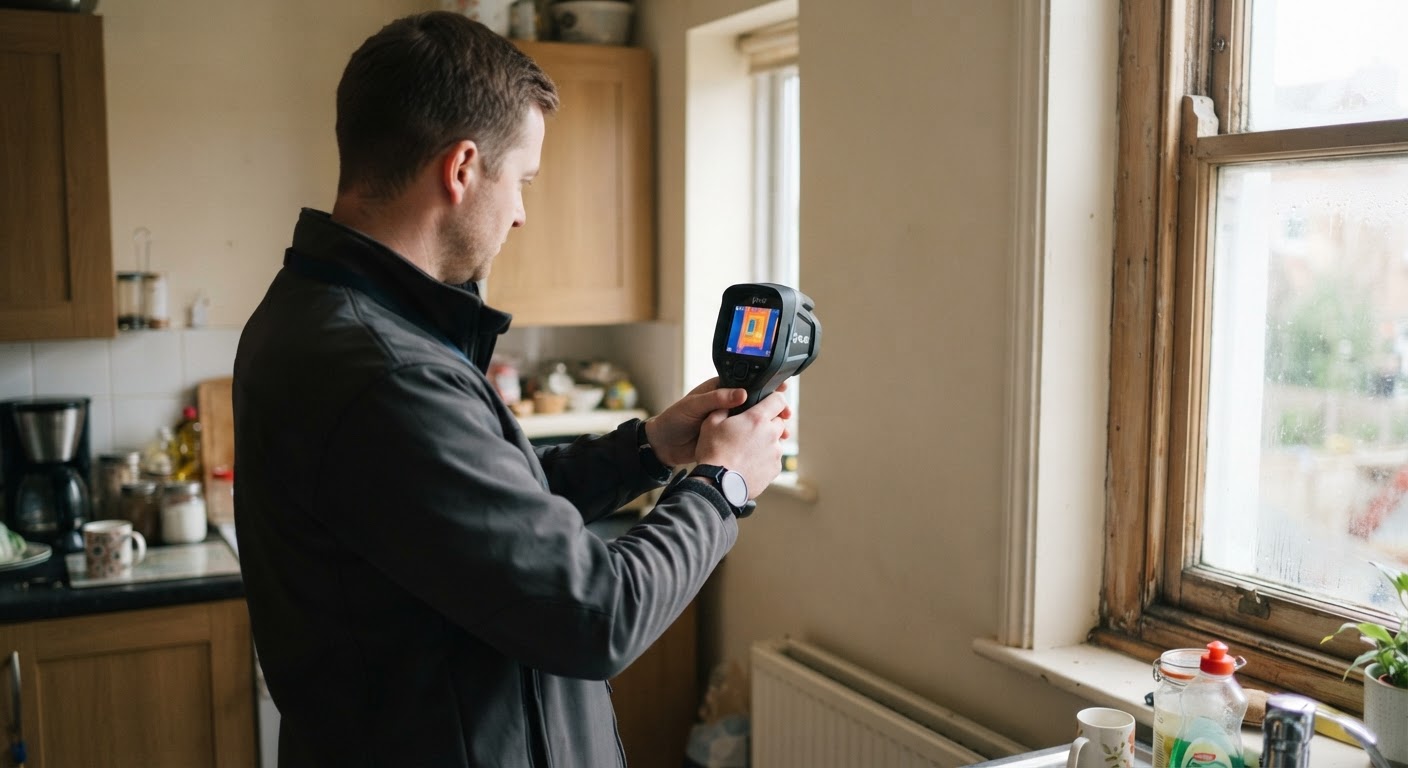
Most people assume a home energy audit is one of those things you have to pay for, or something reserved for homeowners who are already remodeling. Neither is true. Nearly every utility company runs some version of a free or heavily subsidized energy audit program, and they run it because it saves them money too. It is one of the few times your interests and your utility’s interests actually line up, which is exactly why you should stop letting the offer sit unused in the fine print of your monthly bill.
Why utilities offer free audits and what they get out of it
Utility companies are not doing this out of generosity. Every state has some form of pressure, regulatory or otherwise, pushing utilities to reduce overall demand rather than just build more power plants or pipelines to meet peak usage. It is cheaper for them to help a thousand households use a little less energy than to expand infrastructure to cover everyone’s waste. So they fund audit programs, weatherproofing giveaways, and rebate programs, and they budget for it every year whether customers use it or not.
That budget doesn’t roll over to you as a discount if you skip it. It just gets spent on someone else, or doesn’t get spent at all. Requesting your audit is not a favor they’re doing you reluctantly, it is a service you’re already paying into through your rates. Treat it the way you’d treat a benefit that’s already been deducted from your paycheck: you might as well use what you’ve paid for.
How to request one as a renter (and what your landlord can and can’t refuse)
Renters often assume audits are only for owners because the results might mean insulation work or appliance swaps someone else has to approve. That’s true for the fixes, but not for the audit itself. In most cases, the inspection is offered to whoever is the utility account holder, meaning if the bill is in your name, you can request the visit without your landlord’s sign-off.
Call your electric or gas provider’s customer service line and ask directly if they offer a home energy audit or energy assessment for residential customers. Some will schedule it on the spot, others will point you toward a third-party contractor they partner with, and a few will only offer a mail-in or online version rather than an in-person visit. All three are worth doing, but the in-person visit tends to catch more.
If you rent, you generally do not need your landlord’s permission for the inspector to walk through and check appliances, outlets, and windows, since this is your living space and your utility account. What you may need permission for is any invasive fix that follows, like adding insulation in a wall cavity or replacing a furnace filter housing. Keep those two things separate in your head: the audit is yours to request, the repairs are a separate conversation.
What the inspector checks: insulation gaps, duct leaks, appliance efficiency, air sealing
A typical audit takes somewhere between thirty minutes and two hours depending on the size of the home and how thorough the technician is. They usually work through a checklist that covers a handful of predictable areas.
They’ll check insulation levels in the attic or crawl space if accessible, looking for thin spots or gaps where heat escapes in winter and creeps in during summer. They’ll inspect ductwork for leaks or disconnected sections, which matter a lot if you have central heating or air, since a leaky duct can waste a significant chunk of conditioned air before it ever reaches a vent. They’ll look at your major appliances, water heater, refrigerator, washer and dryer, and note their age and efficiency rating, sometimes using a simple sticker or tag to estimate operating cost. And they’ll do air sealing checks around windows, doors, and outlets, sometimes with a smoke pen or blower door test that shows exactly where air is sneaking in or out.
Some inspectors also check water usage, looking at faucet aerators and shower heads, and a few will do a basic safety check on carbon monoxide levels near gas appliances. None of this requires you to do anything but let them in and answer questions about how the space is used.
Reading the audit report: which findings actually save money vs which are upsells
This is where most people lose the thread, because the report you get at the end often reads like a sales brochure. That’s because some audit programs are run by contractors who also sell the fixes, and their business model depends on you booking a bigger job. It doesn’t mean the findings are wrong, but it means you need to read the report with a specific question in mind: does this fix reduce energy loss, or does it just sound impressive?
Findings tied to air leaks, like gaps around doors, windows, and outlet covers, are almost always worth acting on because they’re cheap to fix and directly stop energy from escaping. Findings about insulation levels matter, but the cost to fix them varies wildly depending on whether it’s a simple attic add or a wall cavity job, so treat those as negotiation points rather than DIY projects.
Be more skeptical of recommendations to replace appliances that are working fine but “could be more efficient.” Unless the audit shows the appliance is actively costing you a noticeable amount each month, and the replacement cost is something you’d recoup in a reasonable time frame, that’s often an upsell dressed as an efficiency tip. Smart thermostats, whole-home fans, and premium insulation packages tend to fall into this same bucket, useful in some homes, unnecessary in others, and rarely urgent.
Turning small findings into action the same week
The single biggest mistake people make with an energy audit is treating the report as a to-do list for someday. The small findings are the ones you should knock out within the same week, because they cost little and start saving money immediately.
Weatherstripping around doors is usually a five-dollar fix that takes twenty minutes and stops a steady draft that your heater or air conditioner has been fighting all season. Outlet and switch plate gaskets are even cheaper, sold in multi-packs, and they close off small but constant air leaks around exterior-wall outlets that most people never think about. Bulb swaps to LED, if you haven’t already made that switch, pay for themselves within a couple months of use given how much less energy they draw and how much longer they last.
If the audit flagged your water heater temperature as set too high, that’s a five-minute adjustment with no cost at all. If it flagged an old showerhead or faucet aerator, those are inexpensive swaps you can do yourself with a wrench and no landlord approval needed since they’re easily reversible. None of this requires a contractor, a permission slip, or a big chunk of your week. It requires picking up a bag of parts from the hardware store and spending one evening working through the list.
Using bigger findings to negotiate with your landlord for fixes that lower your bill
The findings that require real money, like duct sealing, attic insulation, or an aging furnace, are where your audit report becomes a negotiating tool rather than a weekend project. Landlords are often more receptive to these conversations than renters expect, especially if the fix reduces a shared cost or protects the property from moisture and mold issues that come with poor insulation.
Frame the conversation around the report itself rather than a general complaint about high bills. Saying “the utility company’s inspector found duct leaks in the crawl space and estimated it’s costing extra each month” lands very differently than saying “my bill feels too high.” The audit gives you a neutral third party’s assessment, which takes the emotion out of the ask and makes it about a documented issue rather than a dispute between you and your landlord.
It also helps to mention if the utility offers any rebate or subsidy for the repair itself, since many efficiency-focused audit programs include a matching rebate for landlords who complete the recommended fix. That turns your ask from “please spend money” into “please take advantage of a program that offsets most of the cost,” which is a much easier yes.
If your landlord is unresponsive, put the request in writing, reference the audit findings specifically, and give a reasonable timeline. You’re not trying to force a legal outcome here, just creating a paper trail that shows you raised a documented, utility-verified issue rather than a vague preference.
How to track your bill before and after to confirm the audit paid off
None of this matters if you can’t see whether it actually worked, so build a simple before-and-after comparison before you forget the starting point. Pull your last three to six months of utility bills before the audit and note the usage numbers, not just the dollar amount, since rate changes can distort the picture if you only look at cost.
After you’ve completed the quick fixes, and again after any landlord-approved repairs are finished, compare the same usage numbers for a similar period, ideally matching season to season since heating and cooling swings can swamp smaller savings if you compare winter to summer. A mild difference is normal to miss in a single month, but a clear trend over two or three billing cycles tells you whether the changes actually moved the needle.
Keep this record somewhere you’ll actually find it again, a notes app, a spreadsheet, even a photo of each bill in a dedicated folder. It’s useful not just for your own satisfaction but as evidence if you ever want to make the case for a second round of fixes, either with your utility or your landlord. An audit that shows up as a real, trackable drop in usage is the strongest argument you’ll have for asking for the next thing on the list.