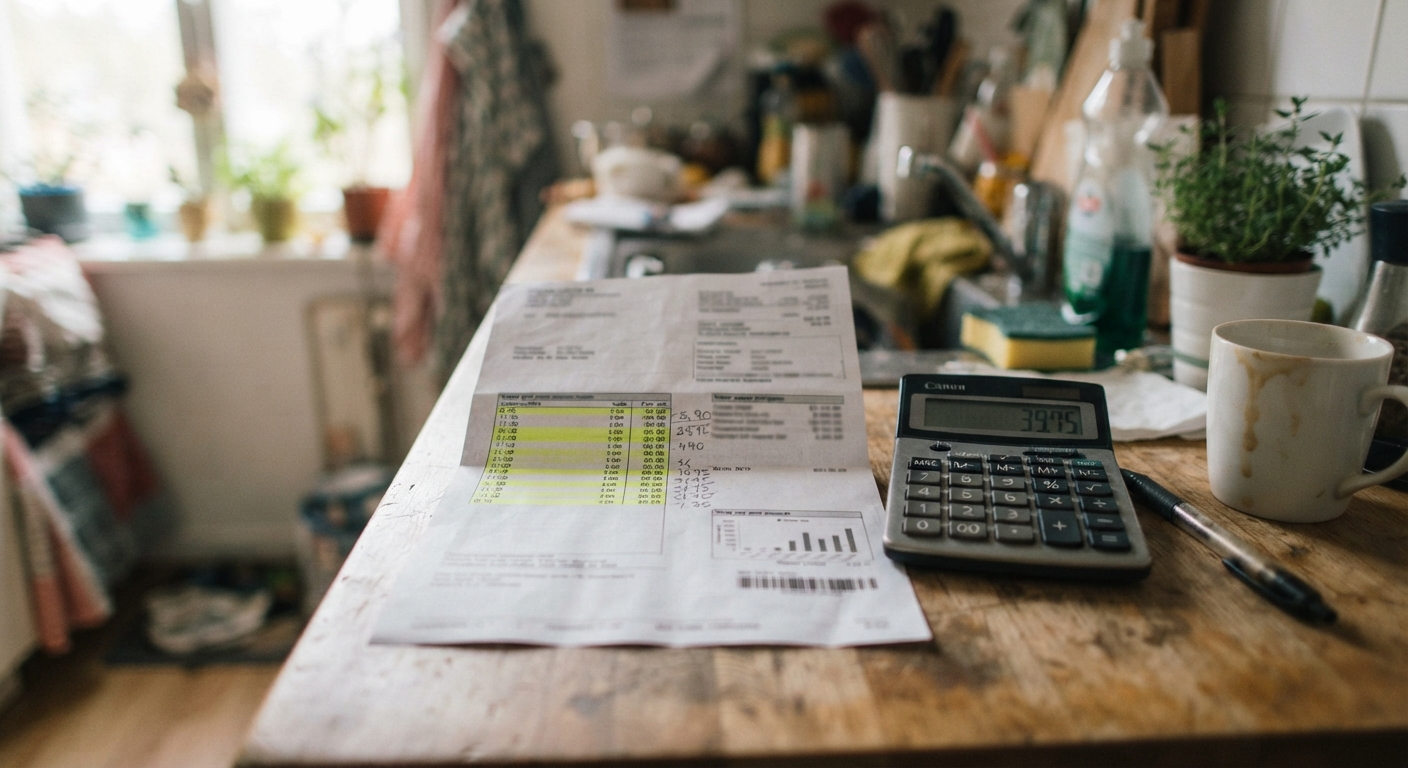
What tiered or block pricing means and why utilities use it
If you’ve ever looked at your water bill and wondered why one month cost so much more than the last, even though your household routine felt pretty much the same, tiered pricing is probably the answer. Most water utilities don’t charge a flat rate per gallon. Instead, they set up “blocks” or “tiers” of usage, and the price per gallon climbs as you use more within a billing period.
Think of it like a staircase instead of a flat road. The first block, say the first few thousand gallons, gets charged at the lowest rate. Once you cross that line, every gallon after it gets billed at a higher rate, and if you keep climbing, you can hit a third or even fourth tier where the price per gallon is noticeably steeper than where you started.
Utilities use this structure for a few reasons. Tiered pricing rewards conservation, since a household that uses less water pays less per gallon overall. It also helps utilities manage demand during high-use seasons, like summer, when everyone is watering lawns and running extra loads of laundry at the same time. From the utility’s side, it’s a way to encourage efficient use without banning anyone from using more water if they need to. They just make the extra usage cost more.
The tricky part for a household budget is that tiered pricing is invisible day to day. You don’t get a warning message on your faucet when you cross into the next bracket. You find out weeks later, when the bill arrives and the total is higher than expected, with no clear explanation of why. Once you understand that the jump isn’t random, and that it’s tied to specific usage thresholds, you can actually plan around it.
How to find your specific tier thresholds on your bill or utility website
Every utility sets its own tier breakpoints, so the first step is finding out exactly where yours are. This information is usually available in a few places, and it’s worth spending fifteen minutes tracking it down once, because it changes almost everything about how you use water for the rest of the year.
Start with your actual paper or digital bill. Look for a section that breaks down usage by “tier,” “block,” or sometimes just listed as separate line items with different rates next to them. Some bills show this clearly, with a line for the first block of gallons at one rate, then a second line for anything above that threshold at a higher rate. Other bills bury this information in small print or only show a total, in which case you’ll need to dig further.
If your bill doesn’t spell it out, check your utility’s website. Most residential water providers post a rate schedule, sometimes labeled “rate structure,” “tariff,” or “fee schedule,” in a customer service or billing section. This document usually lists the exact gallon or cubic-foot thresholds for each tier and the price per unit within that tier. Pay attention to whether your bill measures usage in gallons or in “hundred cubic feet” (often abbreviated HCF or CCF), since utilities don’t all use the same unit, and mixing them up will throw off your calculations.
If you can’t find a clear rate schedule online, a quick call to your utility’s customer service line usually gets you the answer directly. Ask specifically: “What are my tier thresholds, and what’s the rate difference between them?” This is a completely normal question, and most representatives can pull it up in a minute or two.
One more thing worth checking: whether your tier thresholds are based on your household size or lot size. Some utilities set the same thresholds for everyone, while others adjust the first tier upward for larger households or properties with more landscaping. If your utility does this, make sure you know which threshold applies to your specific account, not just a generic number you saw somewhere else.
Everyday habits that push a household over the next tier without you noticing
Once you know your thresholds, it helps to think about which everyday habits are most likely to tip you into the next bracket. Usually it’s not one dramatic thing, it’s a handful of ordinary habits that add up faster than expected.
Laundry is one of the biggest contributors, especially in households with kids, since more people means more loads, and small loads run just as often as full ones. Running the dishwasher for partial loads has a similar effect, using close to the same amount of water whether it’s half full or completely full.
Outdoor watering is often the single biggest swing factor, particularly in warmer months. A sprinkler system or hose left running for even a little longer than usual can add a surprising number of gallons in a single session. If you have a garden, a lawn, or potted plants that need regular watering, this is usually where the biggest seasonal jump in your bill comes from.
Long showers, especially multiple long showers happening daily in a multi-person household, add up in a way that’s easy to underestimate because each individual shower feels small. Leaky faucets or toilets that run longer than they should are another quiet contributor, since they use water continuously in the background without anyone actively doing anything.
Houseguests, holiday gatherings, or a stretch where extended family is staying with you can also push a household over its usual tier without anyone realizing it, simply because more people means more showers, more dishes, and more laundry, all within the same billing period.
None of these habits are wasteful on their own. The issue is timing, not behavior, since tiered pricing charges based on how much water you use within a single billing cycle, not how reasonably you’re using it. That’s exactly why spreading things out across the month, rather than changing what you do, is often the more realistic fix.
How to spread out high-usage tasks like laundry and yard watering across billing cycles
Since tiers reset with each billing cycle, one of the simplest strategies is to think about timing rather than just volume. You don’t necessarily need to use less water overall, you need to avoid concentrating too much of it into one cycle.
Start by figuring out exactly when your billing cycle begins and ends. This date is usually printed on your bill, and it might not line up with the calendar month. Once you know the actual start and end dates, you can plan around them instead of guessing.
For laundry, this might mean spacing out heavier loads, like bedding or towels, so they don’t all land in the same week, especially if that week is near the end of a cycle where you’re already close to your tier line. If you know you’re approaching a threshold, pushing a non-urgent load into the next billing cycle, even by a few days, can keep you under the line.
Yard watering benefits the most from this kind of planning, since it’s usually the most flexible high-usage task. If your billing cycle runs, for example, from the first to the end of the month, and you know summer watering pushes you into a higher tier, consider watering more heavily in the days right after your new cycle starts rather than spreading it evenly. This way, if you do end up using more water for the yard, it counts toward a fresh, lower tier rather than tipping you over a threshold you were already close to.
Dishwasher and laundry loads are also good candidates for simple batching. Rather than running a partial load whenever it’s convenient, waiting until you have a full load reduces the total number of cycles you run, which reduces total gallons used without requiring you to change much about your actual routine.
None of this requires cutting back on hygiene, cleanliness, or comfort. It’s really just about noticing where you are in your billing cycle before you take on a big water task, the same way you might check your bank balance before a big purchase.
A simple tracking method to see which tier you’re in before the bill arrives
The biggest reason tiered pricing catches people off guard is that there’s usually no visibility into usage until the bill shows up, weeks after the water’s already been used. Building a simple tracking habit closes that gap and gives you a chance to adjust before the cycle ends.
If your water meter is easily accessible, the most direct method is a manual meter check. Look at the meter on the first day of your billing cycle and write down the number. Check it again once a week, and again around the tenth day, the twentieth day, and near the end of the cycle. This gives you a rough sense of your pace, so you can compare where you are partway through the month to where your tier thresholds sit.
Many utilities also offer online account dashboards that show usage more often than once a month, sometimes daily or weekly. If your provider offers this, it’s worth setting a recurring reminder to check it, since this data is often available well before the actual bill is generated. Some utilities also offer usage alerts, which can be set to notify you by text or email once you cross a certain usage level, functioning almost like an early warning system for tier thresholds.
If neither of those options is available, a simple paper or phone note works fine. Jot down your meter reading on the same day each week, then do quick subtraction to see how many gallons you’ve used so far in the cycle. Compare that running total to your tier threshold, and you’ll have a rough idea by the middle of the month whether you’re on track to stay in the lower bracket or heading toward the next one.
The goal isn’t precision down to the gallon. It’s having enough of a heads-up, even a rough one, to make a small adjustment, like holding off on watering the lawn for a few more days or waiting to run that extra load of towels, before the billing cycle closes and the higher rate locks in. Once this becomes a habit, staying under your tier line stops being a guessing game and starts being something you can actually plan for, one billing cycle at a time.