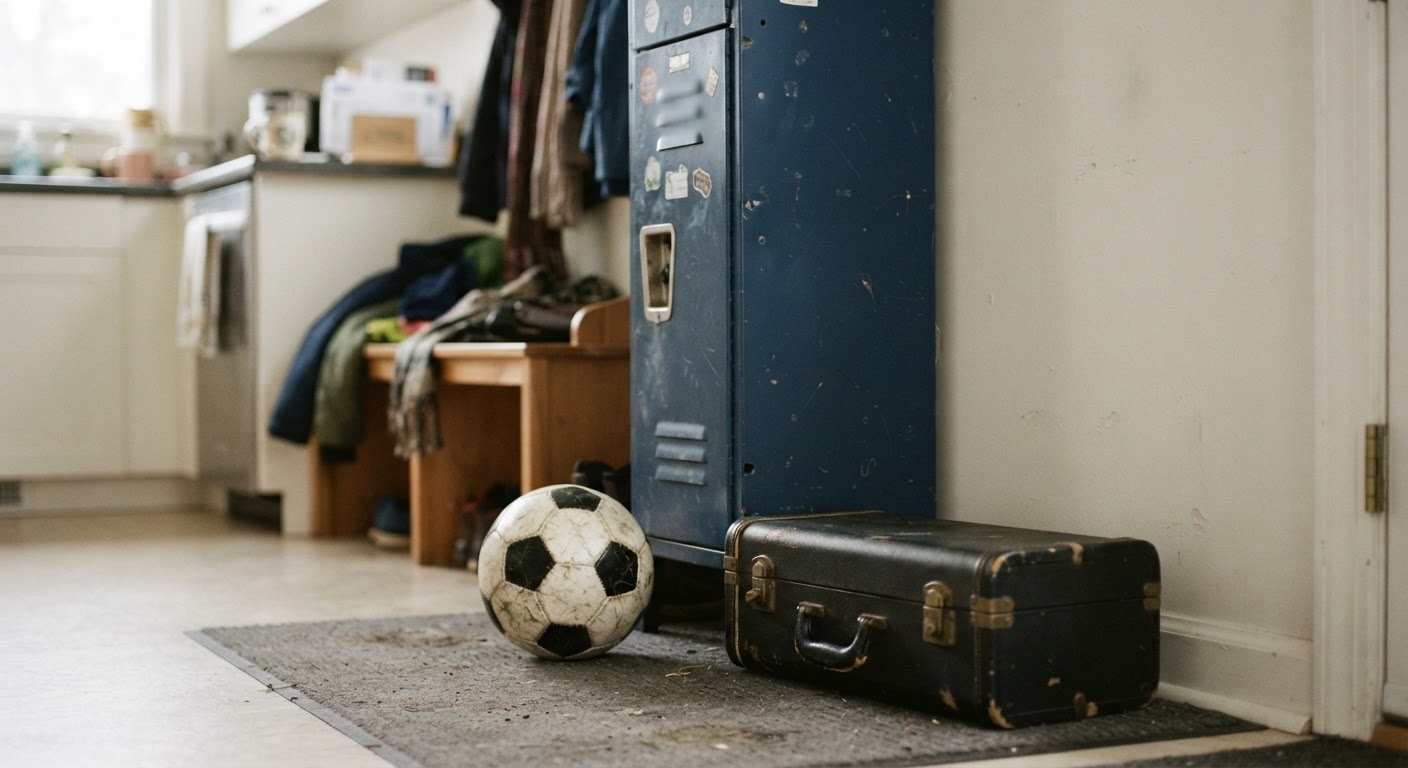
The rental closet most parents never see
Every band room and gym storage closet I’ve ever peeked into has the same thing in the back corner: a rack of dented trumpets, a bin of mismatched shin guards, a shelf of cellos in cases that haven’t been opened since last spring. Schools accumulate this stuff over years, through graduating students who never took their gear home, grant purchases that outlived the grant, and parents who donated equipment rather than sell it. Almost none of it is advertised, because nobody in the front office thinks to mention it unless you ask directly.
The reason it stays hidden isn’t secrecy, it’s workload. The band director or athletic coordinator is juggling a hundred things during sign-up season, and “here’s our rental inventory” isn’t the first line in the packet that goes home. The packet usually points you to a retail partner or a suggested vendor because that’s the path of least resistance for the school, not because it’s your only option or even your cheapest one.
So the first move, every time, is to ask the specific staff member who runs the activity whether the school owns loaner or rental equipment, and whether that inventory is offered to families automatically or only to those who request it. Ask this before you assume you need to buy or rent from an outside company. In many cases there’s a small usage fee or a maintenance deposit, which is still far less than a full rental contract or a retail purchase, and sometimes it’s free for the first year while a student figures out whether they’ll stick with the activity.
If the answer is “we don’t really have that,” ask who might, because band programs sometimes share instrument pools across a district, and athletic departments sometimes rotate gear between schools depending on which teams are in season. A polite email to the district’s fine arts or athletics coordinator, not just the individual teacher, can surface equipment that never made it into any handout.
Community programs that lend or rent for less
Outside the school building, there’s usually a second layer of inventory sitting in community organizations that exist specifically to keep kids in music and sports regardless of what their family can spend. Community music schools, youth orchestras, and local musicians’ associations frequently maintain instrument libraries that members or program participants can borrow from for a modest fee, sometimes on a sliding scale tied to household size or income. These programs aren’t always well known outside the people who already use them, so they rarely show up in a general search. Calling a nearby community music school or a regional musicians’ union chapter and simply asking “do you have an instrument lending library, and how do outside families apply” is usually enough to find out.
Recreation departments and parks-and-rec leagues work the same way for sports. Many maintain a supply of loaner equipment for kids who sign up for a season but don’t own gear yet, especially for sports with expensive protective equipment like hockey, lacrosse, or catcher’s gear in baseball. This is often unadvertised for the same reason school inventory is unadvertised: it’s a line item nobody puts on the glossy flyer. Ask the league registrar directly, and ask again at the first practice if you didn’t get a clear answer during sign-up, because sometimes the answer depends on which coach happens to have extra gear in their trunk that week.
Libraries are worth a call too. A growing number of public libraries now lend more than books, and that occasionally includes musical instruments, sports equipment, or even tools for building science-fair projects, checked out the same way you’d check out a novel. Whether your local branch does this varies a lot by region and by budget year, so a quick call to the reference desk or a look at the library’s own website under “library of things” or “non-traditional lending” will tell you fast whether it applies where you live.
Faith communities and civic clubs sometimes run their own small equipment pools too, particularly for younger kids in recreational leagues rather than competitive ones. These aren’t formal programs with websites, they’re more like a closet in the fellowship hall that the youth coordinator knows about. If your family is connected to any community organization like this, a casual question to the person who runs youth activities can turn up gear you’d never find by searching online.
Secondhand marketplaces and swap groups worth checking first
Before you rent from a music store or sporting goods retailer at full seasonal rate, it’s worth spending twenty minutes checking what other families in your area are trying to get rid of. Instruments and sports gear both have healthy secondhand markets because kids grow, interests change, and a lot of equipment gets used for one season and then sits in a garage.
Local buy-nothing groups and neighborhood swap pages are the fastest starting point, because the turnaround time is quick and the sellers are often other parents who are motivated to clear space rather than maximize price. Search the group for the specific item you need, and if nothing’s currently posted, post your own request. It’s common for these requests to get answered within days during the weeks right before a school season starts, because that’s exactly when other families are cleaning out closets too.
General online marketplaces are worth a pass as well, but treat instrument listings a little more carefully than sports equipment listings. A trumpet or clarinet that’s been sitting unused for years can need a fairly inexpensive but real repair or cleaning before it’s playable, so factor that into whether the “deal” is actually a deal. If you can, ask the band or orchestra teacher to take a two-minute look at anything you’re considering buying secondhand, either in person or from photos. Most are happy to do this because it saves everyone a headache later, and it costs you nothing but the ask.
Sports gear ages differently. Protective equipment like helmets has real safety considerations tied to age and condition, so secondhand is a better fit for things like bats, cleats, gloves, and bags than for anything that’s meant to absorb impact. When in doubt, ask the coach or league safety coordinator what they consider fine to buy used and what they’d rather you get new, even if new means a rental rather than a purchase.
Consignment shops that specialize in kids’ sports and music gear exist in a lot of mid-sized towns and are worth a visit specifically at the start and end of each season, when inventory turns over the most. Pricing swings with the calendar the same way retail does, just in the opposite direction: right after a season ends is when families sell, so that’s when the shelves fill up and prices tend to soften.
It’s also worth checking whether your school’s music or athletic booster group runs its own swap or sale. Many hold an informal used-gear exchange once or twice a year, sometimes attached to registration night, where families bring what their kids outgrew and take what they need for the next size or level. If your school doesn’t have one, mentioning the idea to a booster board member is a low-effort way to plant the seed for next year, even if it doesn’t help you this season.
Questions to ask before the season starts
Timing matters more than almost anything else in this process. Rental and loaner inventory gets claimed fast once sign-ups open, and secondhand listings dry up once the season is underway and everyone’s already outfitted their kid. The families who end up paying full retail are usually the ones who started looking the week before the first practice, not the ones who started looking during the previous season’s off-months.
A short list of questions, asked early and asked directly, covers most of what you need:
- Does the school or program itself own equipment it lends or rents to families, and how do we request it before the general sign-up deadline?
- Is there a district-level or shared inventory across schools that isn’t listed in our own school’s paperwork?
- Does a nearby community music school, rec department, or library maintain a lending program open to non-members or non-residents?
- What condition or safety standard does the coach or teacher expect from secondhand gear, so you’re not guessing about what’s acceptable?
- Does the booster club or parent association run a used-equipment swap, and if not, would they consider starting one?
- If you do end up renting from a retailer, does that rental fee ever apply toward a future purchase, and is there a lower-cost plan for a second or third child using the same size range?
Asking these questions in roughly this order, starting with the school and working outward to the community and then to secondhand markets, tends to find the cheapest option fastest, because the free or nearly-free sources sit closer to the school and the priced options sit further out. It also helps to ask again each year rather than assuming last year’s answer still holds. Inventory changes, staff changes, and a program that had nothing to lend two years ago might have a full rack of donated instruments today, simply because another family cleaned out a garage.
None of this requires urgency or a financial hardship conversation, which is exactly the point. It’s a habit of asking a few extra questions before you reach for a credit card or sign a rental contract, the same way you’d check for a coupon before buying something at full price. Do it once at the start of each school year and it becomes routine, and the money you don’t spend on a rental fee is money that stays in the same household budget you’re already working to stretch.